
Please visit Manifold1.com
First episode is up!
James Lee on Polygenic Prediction and Embryo SelectionPlease visit Manifold1.com
First episode is up!
James Lee on Polygenic Prediction and Embryo SelectionThe Contribution of Cognitive and Noncognitive Skills to Intergenerational Social Mobility
(Psychological Science https://doi.org/10.1177/0956797620924677)
Matt McGue, Emily A. Willoughby, Aldo Rustichini, Wendy Johnson, William G. Iacono, James J. Lee
We investigated intergenerational educational and occupational mobility in a sample of 2,594 adult offspring and 2,530 of their parents. Participants completed assessments of general cognitive ability and five noncognitive factors related to social achievement; 88% were also genotyped, allowing computation of educational-attainment polygenic scores. Most offspring were socially mobile. Offspring who scored at least 1 standard deviation higher than their parents on both cognitive and noncognitive measures rarely moved down and frequently moved up. Polygenic scores were also associated with social mobility. Inheritance of a favorable subset of parent alleles was associated with moving up, and inheritance of an unfavorable subset was associated with moving down. Parents’ education did not moderate the association of offspring’s skill with mobility, suggesting that low-skilled offspring from advantaged homes were not protected from downward mobility. These data suggest that cognitive and noncognitive skills as well as genetic factors contribute to the reordering of social standing that takes place across generations.From the paper:
We believe that a reasonable explanation of our findings is that the degree to which individuals are more or less skilled than their parents contributes to their upward or downward mobility. Behavioral genetic and genomic research has established the heritability of social achievements (Conley, 2016) as well as the skills thought to underlie them (Bouchard & McGue, 2003). Nonetheless, these associations may be due to passive gene–environment correlation, whereby high-achieving parents both transmit genes and provide a rearing environment that promotes their children’s social success (Scarr & McCartney, 1983). Our within-family design controlled for passive gene–environment correlation effects. Although offspring inherit all of their genes from their parents, they inherit a random subset of parental alleles because of meiotic segregation. Consequently, some offspring inherit a favorable subset of their parents’ alleles, whereas others inherit a less favorable subset. We found, as did previous researchers (Belsky et al., 2018), that the inheritance of a favorable subset of alleles was associated with an increased likelihood of upward mobility...
...In summary, our analysis of intergenerational social mobility in a sample of 2,594 offspring from 1,321 families found that (a) most individuals were educationally and occupationally mobile, (b) mobility was predicted by offspring–parent differences in skills and genetic endowment, and (c) the relationship of offspring skills with social mobility did not vary significantly by parent social background. In an era in which there is legitimate concern over social stagnation, our findings are noteworthy in identifying the circumstances when parents’ educational and occupational success is not reproduced across generations.


I have known Steve for 30 years and can attest that he is not a racist or a sexist. Steve is one of the most scrupulously fair people I have ever met and I have seen no evidence that he has ever discriminated against anyone on the basis of their race, sex, or any other status.
... Hsu participated in a 2018 debate at MSU’s Institute for Quantitative Health, Science, and Engineering, at the invitation of Director Chris Contag. The topic was human genetic engineering, and Hsu’s counterpart was MSU bioethicist Len Fleck. A number of people who attended tell me that they found Steve’s view thoughtful and balanced. None that I know of came away from the debate thinking he is a eugenicist in the way that the rest of us are not. It is unclear to me why MSU GEU came to a different conclusion.
Hi Pat and Michelle,For more on recent progress in genomic prediction, see The Diffusion of Knowledge.
Congratulations on a high quality podcast. I thought you were admirably fair and balanced. I also thought the production (esp. the music) was excellent.
My main comment is that the juxtaposition between my remarks and Benjamin's is misleading: when he says 60-40 or 55% chance of rank ordering properly, that is a very different question than identifying an outlier who is, say, among the 1% highest in risk. We are not trying to rank order embryos, but to warn against unusual risk of a medical condition.
To use the SAT analogy, given two kids with scores 1250 and 1200, only some of the time does the 1250 kid end up with a higher GPA. (You can't predict rank order very well.) But if the engineering dean admits an SAT 770 kid (i.e., a negative outlier compared to the average score of, say, 1300 among engineers) in his freshman class, he knows the likelihood is high that the kid will struggle. Benjamin is talking about the first scenario, and I am talking about the second.
Finally, I realize that to hook listeners you had to make me the focus of the episode. But I want to make clear that many scientists contribute to this work, which I feel will ultimately be beneficial to our species and civilization. I am just a small part of a worldwide research endeavor.
Best wishes,
Steve


Article | Published: 23 July 2018A nice figure from the paper: Add Health (National Longitudinal Study of Adolescent to Adult Health) and HRS (Health in Retirement Study) are two longitudinal cohorts that have been genotyped; horizontal axis is polygenic score. It appears that individuals with top quintile polygenic scores are about 5 times more likely to complete college than bottom quintile individuals.
Gene discovery and polygenic prediction from a genome-wide association study of educational attainment in 1.1 million individuals
James J. Lee, Robbee Wedow, […]David Cesarini
Nature Genetics (2018)
Abstract
Here we conducted a large-scale genetic association analysis of educational attainment in a sample of approximately 1.1 million individuals and identify 1,271 independent genome-wide-significant SNPs. For the SNPs taken together, we found evidence of heterogeneous effects across environments. The SNPs implicate genes involved in brain-development processes and neuron-to-neuron communication. In a separate analysis of the X chromosome, we identify 10 independent genome-wide-significant SNPs and estimate a SNP heritability of around 0.3% in both men and women, consistent with partial dosage compensation. A joint (multi-phenotype) analysis of educational attainment and three related cognitive phenotypes generates polygenic scores that explain 11–13% of the variance in educational attainment and 7–10% of the variance in cognitive performance. This prediction accuracy substantially increases the utility of polygenic scores as tools in research.

The EA3 predictor correlates about 0.35 with educational attainment, and slightly less well with measured cognitive ability. While this is far from perfect prediction, it does allow identification of individuals, using DNA alone, who are at unusual risk of being well below average in cognitive ability or struggling in school. Standardized tests, such as SAT, ACT, GRE, LSAT, etc., typically also correlate roughly 0.35 with educational outcomes like grade point average, degree completion, etc. In this sense, the genomic predictor is comparable to widely used tests and it will certainly improve as more data are analyzed. See figure.

Estimation of complex effect-size distributions using summary-level statistics from genome-wide association studies across 32 complex traits and implications for the future
Yan Zhang, Guanghao Qi, Ju-Hyun Park, Nilanjan Chatterjee (Johns Hopkins University)
Summary-level statistics from genome-wide association studies are now widely used to estimate heritability and co-heritability of traits using the popular linkage-disequilibrium-score (LD-score) regression method. We develop a likelihood-based approach for analyzing summary-level statistics and external LD information to estimate common variants effect-size distributions, characterized by proportion of underlying susceptibility SNPs and a flexible normal-mixture model for their effects. Analysis of summary-level results across 32 GWAS reveals that while all traits are highly polygenic, there is wide diversity in the degrees of polygenicity. The effect-size distributions for susceptibility SNPs could be adequately modeled by a single normal distribution for traits related to mental health and ability and by a mixture of two normal distributions for all other traits. Among quantitative traits, we predict the sample sizes needed to identify SNPs which explain 80% of GWAS heritability to be between 300K-500K for some of the early growth traits, between 1-2 million for some anthropometric and cholesterol traits and multiple millions for body mass index and some others. The corresponding predictions for disease traits are between 200K-400K for inflammatory bowel diseases, close to one million for a variety of adult onset chronic diseases and between 1-2 million for psychiatric diseases.


47th Behavior Genetics Annual Meeting, Oslo, NorwayNote the data here have only been analyzed using summary statistics coming from each sub-cohort. More powerful methods may soon become available:
GWAS of Educational Attainment, Phase 3: Biological Findings
Abstract
Genetic factors are estimated to account for at least 20% of the variation across individuals for educational attainment (Rietveld et al., 2013). The results of the latest GWAS for educational attainment identified 74 genome-wide significant loci for educational attainment (Okbay et al., 2016). Here, in one of the largest GWAS to date, we increase our sample to nearly 750,000 individuals, and we identify over 600 genome-wide significant loci associated with the number of years of schooling completed. Note that at the time of presentation, we will likely have updated our meta-analysis to include over 1,000,000 individuals
In this presentation, I will focus on the biological implications of the GWAS results. At the time of writing, 1,656 genes are significantly prioritized, a more than 10-fold increase since our previous report (Okbay et al., 2016). The newly significant results reinforce the biological theme of prenatal brain development and also bring to the foreground new themes that shed light on the biological underpinnings of cognitive performance and other traits affecting educational attainment.
Authors
James Lee (University of Minnesota - Twin Cities), Aysu Okbay (Free University Amsterdam), Robbee Wedow (University of Colorado - Boulder), Edward Kong (Harvard University), Patrick Turley (Broad Institute of MIT and Harvard), Meghan Zacher (Harvard University), Kevin Thom (New York University), Anh Tuan Nguyen Viet (University of Southern California), Omeed Maghzian (Harvard University, NBER), Richard Karlsson Linnér (Vrije Universiteit Amsterdam), Matthew Robinson (The University of Queensland), Social Science Genetic Association Consortium (NA), Peter Visscher (The University of Queensland), Daniel Benjamin (University of Southern California), David Cesarini (New York University)
Penalized regression from summary statisticsA successful implementation like the one described at the link above could produce many (several times!) more hits and significantly more variance accounted for by corresponding predictors. Stay tuned!
One of the difficulties in genomics is that when DNA donors are consented for a study, the agreements generally do not allow sharing (aggregation) of genomic data across multiple studies. This leads to isolated silos of data that can't be fully shared. However, computations can be performed on one silo at a time, with the results ("summary statistics") shared within a larger collaboration. Most of the leading GWAS collaborations (e.g., GIANT for height, SSGAC for cognitive ability) rely on shared statistics. Simple regression analysis (one SNP at a time) can be conducted using just summary statistics, but more sophisticated algorithms cannot. These more sophisticated methods can generate a better phenotype predictor, using less data, than a SNP by SNP analysis.
Flip coin 10000 times. 5000 + sqrt(10000)/2 = 5050 heads is +1SD outcome. 5100 is +2SD, etc. sqrt(N) << N for N large. Binomial~Normal dist.You can see that even if cognitive ability is controlled by ~10k variants, flipping only ~100 of them is enough to cause a big difference in actual intelligence. Flipping a few hundred could get us to super-geniuses beyond anything in human history.

Genome-wide association study identifies 74 loci associated with educational attainment A. Okbay et al. Nature http://dx.doi.org/10.1038/nature17671; 2016
Educational attainment is strongly influenced by social and other environmental factors, but genetic factors are estimated to account for at least 20% of the variation across individuals1. Here we report the results of a genome-wide association study (GWAS) for educational attainment that extends our earlier discovery sample1,2 of 101,069 individuals to 293,723 individuals, and a replication study in an independent sample of 111,349 individuals from the UK Biobank. We identify 74 genome-wide significant loci associated with the number of years of schooling completed. Single- nucleotide polymorphisms associated with educational attainment are disproportionately found in genomic regions regulating gene expression in the fetal brain. Candidate genes are preferentially expressed in neural tissue, especially during the prenatal period, and enriched for biological pathways involved in neural development. Our findings demonstrate that, even for a behavioural phenotype that is mostly environmentally determined, a well-powered GWAS identifies replicable associated genetic variants that suggest biologically relevant pathways. Because educational attainment is measured in large numbers of individuals, it will continue to be useful as a proxy phenotype in efforts to characterize the genetic influences of related phenotypes, including cognition and neuropsychiatric diseases.
James Lee talk at ISIR 2015 (via James Thompson) reports on 74 hits at genome-wide statistical significance (p < 5E-8) using educational attainment as the phenotype. Most of these will also turn out to be hits on cognitive ability.
To quote James: "Shock and Awe" for those who doubt that cognitive ability is influenced by genetic variants. This is just the tip of the iceberg, though. I expect thousands more such variants to be discovered before we have accounted for all of the heritability.
74 GENOMIC SITES ASSOCIATED WITH EDUCATIONAL ATTAINMENT PROVIDE INSIGHT INTO THE BIOLOGY OF COGNITIVE PERFORMANCEJames J LeeFor a hint at what to expect as more data become available, see Five Years of GWAS Discovery and On the genetic architecture of intelligence and other quantitative traits.
University of Minnesota Twin Cities
Social Science Genetic Association Consortium
Genome-wide association studies (GWAS) have revealed much about the biological pathways responsible for phenotypic variation in many anthropometric traits and diseases. Such studies also have the potential to shed light on the developmental and mechanistic bases of behavioral traits.
Toward this end we have undertaken a GWAS of educational attainment (EA), an outcome that shows phenotypic and genetic correlations with cognitive performance, personality traits, and other psychological phenotypes. We performed a GWAS meta-analysis of ~293,000 individuals, applying a variety of methods to address quality control and potential confounding. We estimated the genetic correlations of several different traits with EA, in essence by determining whether single-nucleotide polymorphisms (SNPs) showing large statistical signals in a GWAS meta-analysis of one trait also tend to show such signals in a meta-analysis of another. We used a variety of bio-informatic tools to shed light on the biological mechanisms giving rise to variation in EA and the mediating traits affecting this outcome. We identified 74 independent SNPs associated with EA (p < 5E-8). The ability of the polygenic score to predict within-family differences suggests that very little of this signal is due to confounding. We found that both cognitive performance (0.82) and intracranial volume (0.39) show substantial genetic correlations with EA. Many of the biological pathways significantly enriched by our signals are active in early development, affecting the proliferation of neural progenitors, neuron migration, axonogenesis, dendrite growth, and synaptic communication. We nominate a number of individual genes of likely importance in the etiology of EA and mediating phenotypes such as cognitive performance.
What was once science fiction will soon be reality.
Long ago I sketched out a science fiction story involving two Junior Fellows, one a bioengineer (a former physicist, building the next generation of sequencing machines) and the other a mathematician. The latter, an eccentric, was known for collecting signatures -- signed copies of papers and books authored by visiting geniuses (Nobelists, Fields Medalists, Turing Award winners) attending the Society's Monday dinners. He would present each luminary with an ornate (strangely sticky) fountain pen and a copy of the object to be signed. Little did anyone suspect the real purpose: collecting DNA samples to be turned over to his friend for sequencing! The mathematician is later found dead under strange circumstances. Perhaps he knew too much! ...
I took a quick look at it. My guess is that Visscher et al. will respond to the paper. It has not changed my opinion of GCTA. Note I have always thought the standard errors quoted for GCTA are too optimistic, as the method makes strong assumptions (e.g., fits a model with Gaussian random effect sizes). But directionally it is obvious that total h2 accounted for by all common SNPs is much larger than what you get from only genome wide significant hits obtained in early studies. For example, the number of genome wide significant hits for some traits (e.g., height) has been growing steadily, along with h2 accounted for using just those hits, eventually approaching the GCTA prediction. That is, even *without* GCTA the steady progress of GWAS shows that common variants account for significant heritability (amount of "missing" heritability steadily declines with GWAS sample size), so the precise reliability of GCTA becomes less important.Here is the paper:
Regarding this paper, they make what sound like strong theoretical points in the text, but the simulation results don't seem to justify the aggressive rhetoric. The only point they really make in figs 4,7 is that the error estimate from GCTA in the case where SNP coverage is inadequate (i.e., using 5k out of 50k SNPs) are way off. But this doesn't correspond to any real world study that we care about. Real world results show that as you approach ~few x 100k SNPs used the h2 result asymptotes (approaches its limiting value), because you have enough coverage of common variants. The authors of the paper seem confused about this point -- see "Saturation of heritability estimates" section.
What they should do is simulate repeatedly with multiple disjoint populations (using good SNP coverage) and see how the heritability results fluctuate. But I think that kind of calculation has been done by other people and does not show large fluctuations in h2.
Well, since you got me to write this much already I suppose I should promote this to an actual blog post at some point ... Please keep in mind that I've only given the paper a quick read so I might be missing something important. Happy New Year!
Limitations of GCTA as a solution to the missing heritability problemIt's important to note that although GCTA fits a model with random effects, it purports to estimate the heritability of more realistic genetic architectures with some other (e.g., sparse) distribution of effect sizes (see Lee and Chow paper at bottom of this post). The authors of this PNAS paper seem to take the random effects assumption more seriously than the GCTA originators themselves. The latter fully expected a saturation effect once enough SNPs are used; the former seem to think it violates the fundamental nature of the model. Indeed, AFAICT, the toy models in the PNAS simulations assume all 50k SNPs affect the trait, and they run simulations where only 5k at a time are included in the computation. This is likely the opposite of the real world situation, in which a relatively small number (e.g., ~10k SNPs) affect the trait, and by using a decent array with > 200k SNPs one already obtains sensitivity to the small subset.
http://www.pnas.org/content/early/2015/12/17/1520109113
The genetic contribution to a phenotype is frequently measured by heritability, the fraction of trait variation explained by genetic differences. Hundreds of publications have found DNA polymorphisms that are statistically associated with diseases or quantitative traits [genome-wide association studies (GWASs)]. Genome-wide complex trait analysis (GCTA), a recent method of analyzing such data, finds high heritabilities for such phenotypes. We analyze GCTA and show that the heritability estimates it produces are highly sensitive to the structure of the genetic relatedness matrix, to the sampling of phenotypes and subjects, and to the accuracy of phenotype measurements. Plausible modifications of the method aimed at increasing stability yield much smaller heritabilities. It is essential to reevaluate the many published heritability estimates based on GCTA.
This paper, by two of my collaborators, examines the validity of a recently introduced technique called GCTA (Genome-wide Complex Trait Analysis). GCTA allows an estimation of heritability due to common SNPs using relatively small sample sizes (e.g., a few thousand genotype-phenotype pairs). The new method is independent of, but delivers results consistent with, "classical" methods such as twin and adoption studies. To oversimplify, it examines pairs of unrelated individuals and computes the correlation between pairwise phenotype similarity and genotype similarity (relatedness). It has been applied to height, intelligence, and many medical and psychiatric conditions.
When the original GCTA paper (Common SNPs explain a large proportion of the heritability for human height) appeared in Nature Genetics it stimulated quite a lot of attention. But I was always uncertain of the theoretical justification for the technique -- what are the necessary conditions for it to work? What are conservative error estimates for the derived heritability? My impression, from talking to some of the authors, is that they had a mainly empirical view of these questions. The paper below elaborates significantly on the theory behind GCTA.
Conditions for the validity of SNP-based heritability estimation
James J Lee, Carson C Chow
doi: 10.1101/003160
...
74 GENOMIC SITES ASSOCIATED WITH EDUCATIONAL ATTAINMENT PROVIDE INSIGHT INTO THE BIOLOGY OF COGNITIVE PERFORMANCE
James J LeeFor a hint at what to expect as more data become available, see Five Years of GWAS Discovery and On the genetic architecture of intelligence and other quantitative traits.
University of Minnesota Twin Cities
Social Science Genetic Association Consortium
Genome-wide association studies (GWAS) have revealed much about the biological pathways responsible for phenotypic variation in many anthropometric traits and diseases. Such studies also have the potential to shed light on the developmental and mechanistic bases of behavioral traits.
Toward this end we have undertaken a GWAS of educational attainment (EA), an outcome that shows phenotypic and genetic correlations with cognitive performance, personality traits, and other psychological phenotypes. We performed a GWAS meta-analysis of ~293,000 individuals, applying a variety of methods to address quality control and potential confounding. We estimated the genetic correlations of several different traits with EA, in essence by determining whether single-nucleotide polymorphisms (SNPs) showing large statistical signals in a GWAS meta-analysis of one trait also tend to show such signals in a meta-analysis of another. We used a variety of bio-informatic tools to shed light on the biological mechanisms giving rise to variation in EA and the mediating traits affecting this outcome. We identified 74 independent SNPs associated with EA (p < 5E-8). The ability of the polygenic score to predict within-family differences suggests that very little of this signal is due to confounding. We found that both cognitive performance (0.82) and intracranial volume (0.39) show substantial genetic correlations with EA. Many of the biological pathways significantly enriched by our signals are active in early development, affecting the proliferation of neural progenitors, neuron migration, axonogenesis, dendrite growth, and synaptic communication. We nominate a number of individual genes of likely importance in the etiology of EA and mediating phenotypes such as cognitive performance.

Long ago I sketched out a science fiction story involving two Junior Fellows, one a bioengineer (a former physicist, building the next generation of sequencing machines) and the other a mathematician. The latter, an eccentric, was known for collecting signatures -- signed copies of papers and books authored by visiting geniuses (Nobelists, Fields Medalists, Turing Award winners) attending the Society's Monday dinners. He would present each luminary with an ornate (strangely sticky) fountain pen and a copy of the object to be signed. Little did anyone suspect the real purpose: collecting DNA samples to be turned over to his friend for sequencing! The mathematician is later found dead under strange circumstances. Perhaps he knew too much! ...

THE FOURTH LAW OF BEHAVIOR GENETICS
Christopher F. Chabris, Union College
James J. Lee, University of Minnesota Twin Cities
David Cesarini, New York University
Daniel J. Benjamin, Cornell University and University of Southern California
David I. Laibson, Harvard University
Abstract
Behavior genetics is the study of the relationship between genetic variation and psychological traits. Turkheimer (2000) proposed “Three Laws of Behavior Genetics” based on empirical regularities observed in studies of twins and other kinships. On the basis of molecular studies that have measured DNA variation directly, we propose a Fourth Law of Behavior Genetics: “A typical human behavioral trait is associated with very many genetic variants, each of which accounts for a very small percentage of the behavioral variability.” This law explains several consistent patterns in the results of gene discovery studies, including the failure of candidate gene studies to robustly replicate, the need for genome-wide association studies (and why such studies have a much stronger replication record), and the crucial importance of extremely large samples in these endeavors. We review the evidence in favor of the Fourth Law and discuss its implications for the design and interpretation of gene-behavior research.

Dear Dr Hsu,My guess is still that it will take some time before these methods become widely understood in genomics.
We thought you might be interested to know how many people have read your article:
Applying compressed sensing to genome-wide association studies
Shashaank Vattikuti, James J Lee, Christopher C Chang, Stephen D H Hsu and Carson C Chow
GigaScience, 3:10 (16 Jun 2014)
http://www.gigasciencejournal.com/content/3/1/10
Total accesses to this article since publication: 2266
This figure includes accesses to the full text, abstract and PDF of the article on the GigaScience website. It does not include accesses from PubMed Central or other archive sites (see http://www.biomedcentral.com/about/archive). The total access statistics for your article are therefore likely to be significantly higher. ...
Crossing boundaries: ... In a similar way Turing found a home in Cambridge mathematical culture, yet did not belong entirely to it. The division between 'pure' and 'applied' mathematics was at Cambridge then as now very strong, but Turing ignored it, and he never showed mathematical parochialism. If anything, it was the attitude of a Russell that he acquired, assuming that mastery of so difficult a subject granted the right to invade others.
HCEO: Human Capital and Economic Opportunity Global Working Group
Conference on Genetics and Behavior
April 18, 2014 to April 19, 2014
This meeting will bring together researchers from a range of disciplines who have been exploring the role of genetic influences on socioeconomic outcomes. The approaches taken to incorporating genes into social science models differ widely. The first goal of the conference is to provide a forum in which alternative frameworks are discussed and critically evaluated. Second, we are hopeful that the meeting will trigger extended interactions and even future collaboration. Third, the meeting will help focus future genetics-related initiatives by the Human Capital and Economic Opportunity Global Working Group, which is pursuing the study of inequality and social mobility over the next several years.
PROGRAM
9:00 to 11:00
Genes and Socioeconomic Aggregates
Gregory Cochran University of Utah
Steven Durlauf University of Wisconsin–Madison
Henry Harpending University of Utah
Aldo Rustichini University of Minnesota
Enrico Spolaore Tufts University
11:30 to 1:30
Population-Based Studies
Sara Jaffee University of Pennsylvania
Matthew McGue University of Minnesota
Peter Molenaar
Jenae Neiderhiser
2:30 to 4:30
Genome-Wide Association Studies (GWAS)
Daniel Benjamin Cornell University
David Cesarini New York University
Dalton Conley New York University/NBER
Jason Fletcher University of Wisconsin–Madison
Philipp Koellinger University of Amsterdam
APRIL 19, 2014
9:00 to 11:00
Neuroscience
Paul Glimcher New York University
Jonathan King National Institute on Aging
Aldo Rustichini University of Minnesota
11:30 to 1:30
Intelligence
Stephen Hsu Michigan State University
Wendy Johnson University of Edinburgh
Rodrigo Pinto The University of Chicago
2:30 to 4:30
Role of Genes in Understanding Socioeconomic Status
Gabriella Conti University College London
Steven Durlauf University of Wisconsin–Madison
Felix Elwert University of Wisconsin–Madison
James Lee University of Minnesota
Conditions for the validity of SNP-based heritability estimation
James J Lee, Carson C Chow
doi: 10.1101/003160
ABSTRACT
The heritability of a trait ($h^2$) is the proportion of its population variance caused by genetic differences, and estimates of this parameter are important for interpreting the results of genome-wide association studies (GWAS). In recent years, researchers have adopted a novel method for estimating a lower bound on heritability directly from GWAS data that uses realized genetic similarities between nominally unrelated individuals. The quantity estimated by this method is purported to be the contribution to heritability that could in principle be recovered from association studies employing the given panel of SNPs ($h^2_\textrm{SNP}$). Thus far the validity of this approach has mostly been tested empirically. Here, we provide a mathematical explication and show that the method should remain a robust means of obtaining $h^2_\textrm{SNP}$ under circumstances wider than those under which it has so far been derived.

Of particular interest is the modern human-specific duplication on 16p11.2 which encompasses the BOLA2 gene. This locus is the breakpoint of the 16p11.2 micro-deletion, which results in developmental delay, intellectual disability, and autism5,6. We genotyped the BOLA2 gene in 675 diverse human individuals sequenced to low coverage as part of the 1000 Genome Project Phase I7 to assess the population distribution of copy numbers in homo-sapiens (Figure S8.3). While both the Altai Neandertal and Denisova individual exhibit the ancestral diploid copy number as seen in all the non-human great apes, only a single human individual exhibits this diploid copy number state.

Nabokov: I gave up teaching—that’s about all in the way of change. Mind you, I loved teaching, I loved Cornell, I loved composing and delivering my lectures on Russian writers and European great books. But around 60, and especially in winter, one begins to find hard the physical process of teaching, the getting up at a fixed hour every other morning, the struggle with the snow in the driveway, the march through long corridors to the classroom, the effort of drawing on the blackboard a map of James Joyce’s Dublin or the arrangement of the semi-sleeping car of the St. Petersburg-Moscow express in the early 1870s—without an understanding of which neither Ulysses nor Anna Karenina, respectively, makes sense. For some reason my most vivid memories concern examinations. Big amphitheater in Goldwin Smith. Exam from 8 a.m. to 10:30. About 150 students—unwashed, unshaven young males and reasonably well-groomed young females. A general sense of tedium and disaster. Half-past eight. Little coughs, the clearing of nervous throats, coming in clusters of sound, rustling of pages. Some of the martyrs plunged in meditation, their arms locked behind their heads. I meet a dull gaze directed at me, seeing in me with hope and hate the source of forbidden knowledge. Girl in glasses comes up to my desk to ask: “Professor Kafka, do you want us to say that…? Or do you want us to answer only the first part of the question?” The great fraternity of C-minus, backbone of the nation, steadily scribbling on. A rustic arising simultaneously, the majority turning a page in their bluebooks, good teamwork. The shaking of a cramped wrist, the failing ink, the deodorant that breaks down. When I catch eyes directed at me, they are forthwith raised to the ceiling in pious meditation. Windowpanes getting misty. Boys peeling off sweaters. Girls chewing gum in rapid cadence. Ten minutes, five, three, time’s up.The first paragraph of Lolita, one of my favorites in all of literature:
Lolita, light of my life, fire of my loins. My sin, my soul. Lo-lee-ta: the tip of the tongue taking a trip of three steps down the palate to tap, at three, on the teeth. Lo. Lee. Ta.
Application of compressed sensing to genome wide association studies and genomic selection
http://arxiv.org/abs/1310.2264
Authors: Shashaank Vattikuti, James J. Lee, Stephen D. H. Hsu, Carson C. Chow
Categories: q-bio.GN
Comments: 27 pages, 4 figures; Supplementary Information 5 figures
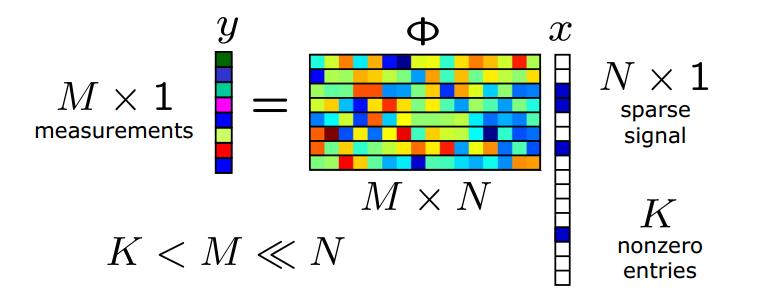
We show that the signal-processing paradigm known as compressed sensing (CS)
is applicable to genome-wide association studies (GWAS) and genomic selection
(GS). The aim of GWAS is to isolate trait-associated loci, whereas GS attempts
to predict the phenotypic values of new individuals on the basis of training
data. CS addresses a problem common to both endeavors, namely that the number
of genotyped markers often greatly exceeds the sample size. We show using CS
methods and theory that all loci of nonzero effect can be identified (selected)
using an efficient algorithm, provided that they are sufficiently few in number
(sparse) relative to sample size. For heritability h2 = 1, there is a sharp
phase transition to complete selection as the sample size is increased. For
heritability values less than one, complete selection can still occur although
the transition is smoothed. The transition boundary is only weakly dependent on
the total number of genotyped markers. The crossing of a transition boundary
provides an objective means to determine when true effects are being recovered.
For h2 = 0.5, we find that a sample size that is thirty times the number
of nonzero loci is sufficient for good recovery.


